
What Is a HUB?
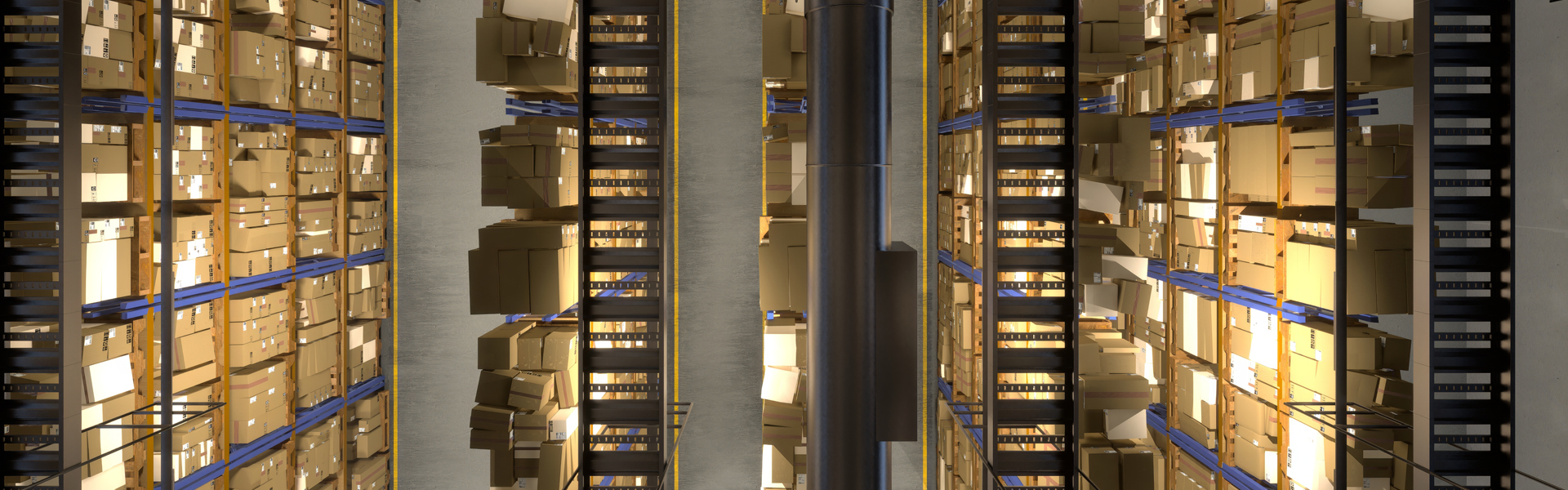
In the world of modern logistics and transportation, the concept of a HUB has become a fundamental strategic component for ensuring efficiency, competitiveness, and operational scalability. A HUB is, essentially, a connection, consolidation, and redistribution center within a logistics network. It is the point where goods, routes, or passengers converge to be reorganized and dispatched to different destinations in an optimized manner. However, its importance goes far beyond a simple terminal or transfer point: a HUB represents operational intelligence applied to the supply chain.
The model that supports its operation is known as the “hub-and-spoke” system. Under this structure, multiple secondary points send cargo to a main center, where it is consolidated, sorted, and then redistributed to final destinations. This approach reduces the need for direct connections between every origin and destination point, lowering costs and improving overall efficiency. In practice, this model enables companies to build stronger, more flexible, and scalable networks capable of adapting to demand fluctuations and new market opportunities.
In air transportation, a HUB is typically located at an airport with high operational capacity, advanced infrastructure, and strong domestic and international connectivity. From there, connecting flights are coordinated so that cargo arriving from different cities can be consolidated for longer-haul operations. This system maximizes aircraft utilization and reduces cost per kilogram transported. In ground transportation, a HUB may take the form of a logistics terminal, yard facility, or regional distribution center where full truckloads or consolidated shipments arrive for redistribution at the local, regional, or national level.
From a strategic perspective, a HUB fulfills several critical functions. First, it enables cargo consolidation. Grouping multiple smaller shipments into a larger movement reduces operational costs and improves transportation efficiency. Second, it facilitates route optimization by minimizing the complexity of maintaining direct connections between multiple cities. Third, it enhances operational control by centralizing processes such as sorting, inspection, temporary storage, and documentation management.
HUBs also play an essential role in international trade. Strategically located near seaports, international airports, or key border crossings, they help accelerate customs processes and reduce transit times. In regions with strong manufacturing or industrial activity, HUBs operate as integrated logistics platforms that combine transportation, warehousing, distribution, and in some cases, value-added services such as labeling, repackaging, or inventory management.
A practical example of this strategy can be seen in the operations of Ezconnect, where the integration of ground transportation, air freight, and logistics services allows the development of strategic consolidation points to optimize cargo movements. By centralizing operations in key nodes, coordination between units improves, transit times are reduced, and resource allocation becomes more efficient. This approach not only strengthens responsiveness to clients but also enables operations to scale as demand grows.
However, operating a HUB comes with challenges. Infrastructure must be sufficient to prevent bottlenecks, particularly during peak seasons. Technology is another critical component: warehouse management systems (WMS), real-time tracking, automated sorting, and data analytics are essential tools to maintain efficiency and visibility. Additionally, operational planning must be precise to synchronize arrivals and departures, minimizing idle time and maximizing productivity.
From a financial standpoint, a well-designed HUB enables economies of scale. By concentrating volume, the cost per unit transported decreases, increasing overall profitability. It also facilitates geographic expansion, as companies can add new destinations by connecting them to the main center without completely redesigning the logistics network. This provides flexibility to adapt to demand shifts, new trade routes, or business growth.
In a global environment characterized by increasingly complex and demanding supply chains, HUBs have become strategic nodes that determine a company’s competitiveness. It is not simply about moving freight; it is about designing intelligent networks that balance cost, speed, and reliability. An efficient HUB does more than connect routes—it connects markets, optimizes resources, and strengthens the ability to respond to a dynamic marketplace.
In conclusion, a HUB is far more than a transfer point: it is the operational heart of a modern logistics network. Its proper implementation can mark the difference between a traditional operation and a truly strategic structure capable of competing in an environment where speed, efficiency, and precision are decisive factors.
EZCONNECT
Callejon 7 No. 85 Mz. 45 Lote 3 Jardines de Santa Clara, C.P. 55450 Ecatepec de Morelos, México.
