
The Strait of Hormuz: The Energy Epicenter Shaping Global Logistics and Redefining Cost Structures in Mexico
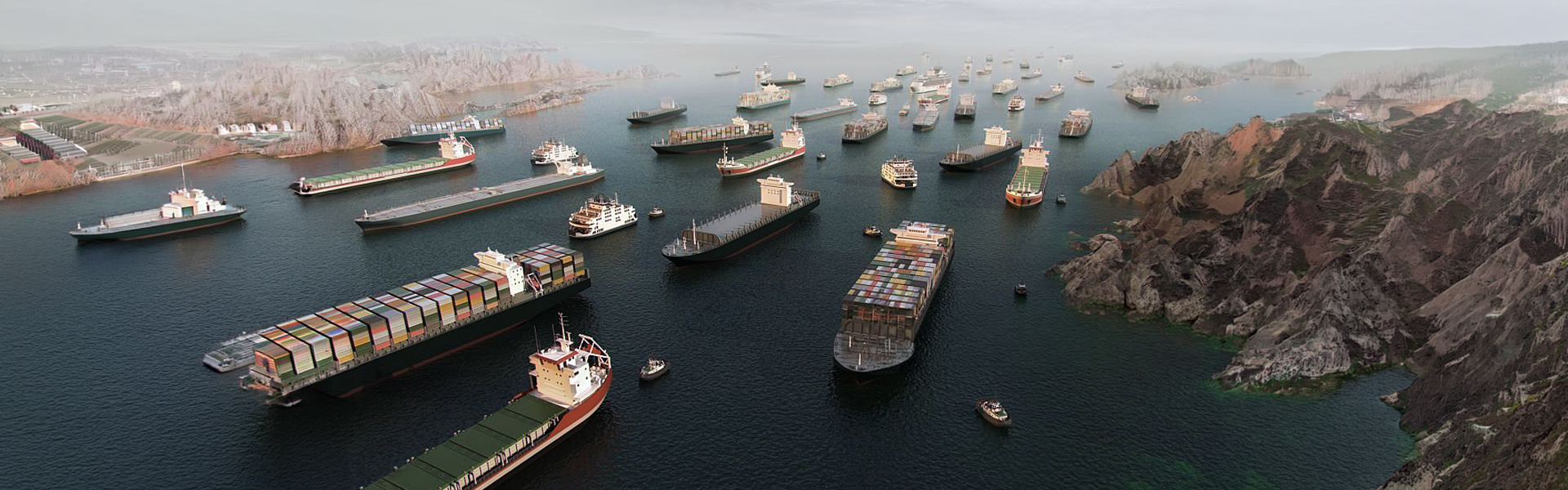
The Strait of Hormuz is, without exaggeration, one of the most sensitive and strategically critical chokepoints in the global logistics system. This narrow maritime corridor, located between Oman and Iran, connects the Persian Gulf to the open ocean and facilitates the transit of roughly 20% of the world’s oil supply. Its importance lies not only in the volume it handles, but in the structural dependence the global economy has on its uninterrupted operation. From a logistics standpoint, it is a textbook example of how a single geographic bottleneck can become a multiplier of systemic risk.
To fully understand its impact, it is essential to examine the direct relationship between energy and logistics. Transportation—across maritime, air, and ground modes—remains heavily dependent on fossil fuels. Any tension affecting the Strait of Hormuz immediately triggers reactions in global energy markets, driving oil prices upward due to perceived supply risks. Notably, this effect does not require a physical disruption of traffic; uncertainty alone is enough to generate significant price volatility.
Events such as geopolitical tensions, military activity, or threats of blockade in the region can rapidly increase the price of crude oil. This increase translates almost immediately into higher global logistics costs. Ocean carriers adjust freight rates to offset rising bunker fuel prices, airlines impose or increase fuel surcharges, and ground transportation operators face similar pressure from diesel and gasoline price hikes. The result is a cascading effect that impacts the entire supply chain cost structure.
In maritime transport—responsible for moving approximately 80% of global trade—the impact is particularly significant. Shipping routes indirectly tied to Gulf oil flows experience increased operational costs, which are ultimately passed on to importers and exporters. In high-risk scenarios, maritime insurers raise war risk premiums, further inflating shipping costs. In extreme cases, vessels may reroute to avoid conflict zones, increasing transit times and reducing overall supply chain efficiency.
Air cargo is even more immediately affected. Fuel represents one of the largest operational expenses for airlines. Sustained increases in oil prices can quickly render certain routes unprofitable or significantly raise air freight rates. This directly impacts industries that rely on speed and reliability, such as high-value manufacturing, electronics, and pharmaceuticals.
Although Mexico is geographically distant from the Strait of Hormuz, its economy is deeply integrated into global trade dynamics—particularly through its strong commercial relationship with United States. This interdependence means that fluctuations in global logistics costs have a direct and measurable impact on the country.
In the Mexican context, the effects manifest on multiple levels. First, rising fuel prices directly increase domestic transportation costs. Given Mexico’s heavy reliance on trucking for freight distribution, diesel price increases place significant pressure on margins across the supply chain. These higher costs often translate into increased prices for end consumers, contributing to inflationary pressures.
Second, imports—particularly industrial inputs and intermediate goods—become more expensive. Key sectors such as automotive, electronics, and manufacturing, which serve as pillars of Mexico’s economy, face rising logistics costs that can erode their international competitiveness. This is especially relevant at a time when Mexico has gained prominence as a nearshoring hub for companies seeking to relocate production closer to the North American market.
Paradoxically, while nearshoring represents a strategic opportunity for Mexico, it is not immune to global energy volatility. Although shorter distances reduce transit times and certain costs, the baseline cost of transportation remains closely tied to fuel prices. Sustained increases in energy costs can therefore dilute some of the competitive advantages associated with geographic proximity.
Another critical factor is supply chain planning. In periods of heightened uncertainty, companies tend to increase inventory levels as a risk mitigation strategy. While this improves resilience, it also raises warehousing costs and working capital requirements. At the same time, just-in-time models become more difficult to sustain, pushing organizations toward more flexible—but less cost-efficient—operational strategies.
From a strategic standpoint, the Strait of Hormuz forces logistics operators in Mexico to rethink their approach. Resilience is no longer optional—it is a core operational priority. This involves diversifying suppliers, evaluating alternative routes, investing in technology to enhance efficiency, and strengthening end-to-end supply chain visibility.
Digitalization plays a critical role in this transformation. Predictive analytics, real-time tracking, and intelligent fleet management systems enable companies to better anticipate disruptions and respond more effectively to changing conditions. Equally important is collaboration across the supply chain ecosystem—carriers, logistics providers, clients, and authorities must work in alignment to navigate an increasingly volatile environment.
In the long term, developments around the Strait of Hormuz also reinforce the urgency of energy transition within the logistics sector. Continued dependence on fossil fuels remains one of the industry’s greatest vulnerabilities. While large-scale adoption of alternative energy sources still faces economic and infrastructural challenges, recurring disruptions in strategic chokepoints highlight the need to accelerate this transition.
In conclusion, the Strait of Hormuz is far more than a strategic maritime passage—it is a global barometer of logistical stability. Its influence extends well beyond the Persian Gulf, shaping costs, transit times, and operational decisions worldwide. For Mexico, understanding and anticipating these dynamics is essential to maintaining competitiveness in an increasingly complex global logistics landscape, where success depends not only on moving goods efficiently, but on managing risk across a deeply interconnected system.
EZCONNECT
Callejon 7 No. 85 Mz. 45 Lote 3 Jardines de Santa Clara, C.P. 55450 Ecatepec de Morelos, México.
