
Advances in Eco-Friendly Aircraft and Vehicles for Logistics Transportation
Logistics transportation, both air and land, is undergoing an unprecedented transformation driven by the need to reduce environmental impact and respond to the growing sustainability demands of international markets. Now more than ever, companies are seeking innovative solutions that not only guarantee operational efficiency and competitiveness but also align their processes with a responsible model in the face of global climate and regulatory challenges. In this scenario, advances in eco-friendly aircraft and vehicles are becoming the backbone of a new paradigm in freight mobility.
In the aviation sector, technological developments are driving a structural shift in how cargo aviation is conceived. Various aircraft manufacturers are working on prototypes powered by hydrogen, sustainable biofuels, and hybrid-electric systems capable of significantly reducing CO₂ emissions. These initiatives aim to address one of the industry’s greatest challenges: combining the speed and reach of air transport with environmental sustainability. In addition, the use of ultra-light composite materials and state-of-the-art aerodynamic designs are helping to reduce fuel consumption, optimize cargo capacity, and improve overall performance, without compromising safety or international regulatory standards.
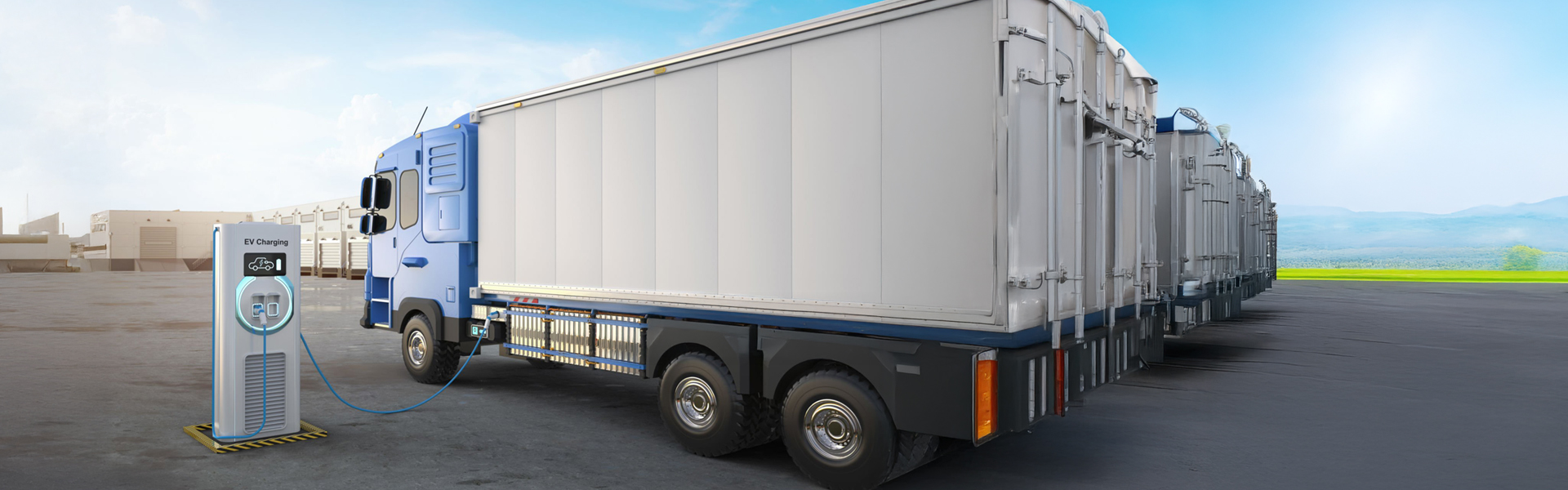
Meanwhile, ground transportation, the essential backbone of global supply chains, is also advancing toward ecological modernization. The emergence of long-range electric trucks and hydrogen-powered units represents a major shift in freight corridors. These solutions not only reduce polluting emissions but, thanks to intelligent management systems, also allow real-time route monitoring, optimized trajectories, and reduced transit times. The electrification of heavy transport, supported by a growing charging infrastructure, opens new possibilities for sustainable distribution across long and medium distances, while in urban settings, light electric vehicles are becoming the most efficient and quiet alternative for last-mile operations.
The impact of these advancements goes beyond the mere replacement of fossil fuels. The integration of digital tools such as artificial intelligence, big data, and IoT connectivity is enhancing the performance of eco-friendly aircraft and vehicles, creating a smarter, safer, and more adaptable logistics ecosystem. These technologies not only help anticipate mechanical failures and optimize preventive maintenance but also reduce energy waste and maximize resource efficiency, which is key in an environment where efficiency and sustainability are becoming critical competitive advantages.
Additionally, environmental regulations and international commitments against climate change act as catalysts to accelerate the transition toward green logistics transportation. International organizations and governments have established clear emission reduction goals that require companies to transform their fleets and operational processes. This scenario creates both a challenge and an opportunity: companies that anticipate and adopt clean technologies will not only comply with regulatory standards but also enhance their corporate reputation and strengthen their position in a market that increasingly values sustainability.
The future of logistics transportation depends on the industry’s ability to balance efficiency, competitiveness, and environmental responsibility. Advances in eco-friendly aircraft and vehicles are not just a passing trend but a structural shift in how freight mobility is understood. It is no longer just about moving goods from one place to another as quickly as possible, but about doing so with a real commitment to environmental preservation and the building of resilient, sustainable supply chains. The challenge is significant, but the direction is clear: 21st-century logistics must be innovative, clean, and able to meet global challenges with a forward-looking vision.
EZCONNECT
Callejon 7 No. 85 Mz. 45 Lote 3 Jardines de Santa Clara, C.P. 55450 Ecatepec de Morelos, México.
