
United States Urges Mexico to Reverse Air Cargo Relocation to AIFA
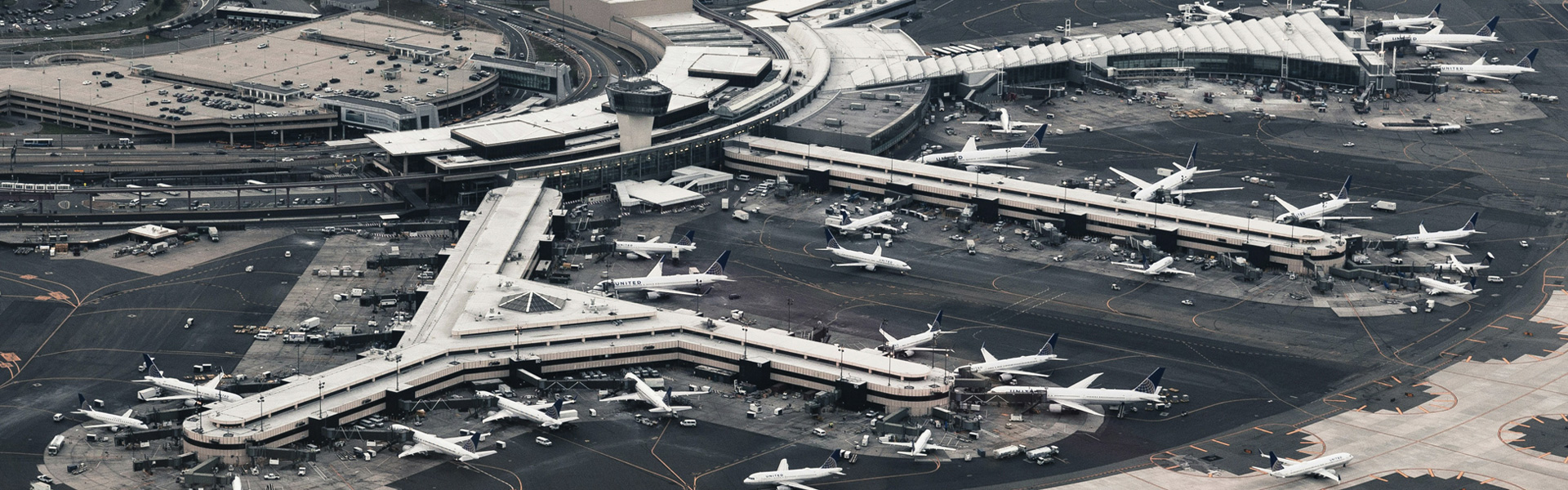
The Mexican government’s decision to concentrate air cargo operations at Felipe Ángeles International Airport (AIFA) continues to generate friction in the logistics and trade environment, especially following a formal request from the United States to reverse the measure. The demand, made through diplomatic and commercial channels, highlights the impact this shift has had on the operational dynamics of bilateral trade and regional competitiveness.
Since the enforcement of the decree prohibiting cargo flights at Mexico City International Airport (AICM), specialized cargo airlines have faced significant challenges in terms of connectivity, supporting infrastructure, and logistics costs. While AIFA offers a modern cargo terminal with operational capacity, its location and lack of immediate synergy with existing distribution centers have complicated last-mile efficiency and increased transit times—particularly on export routes to the United States.
The U.S. government’s main concern is that centralizing cargo operations limits trade agility at a time when North American supply chains are being reconfigured due to nearshoring and the relocation of manufacturing to Mexico. By restricting operational options and creating logistical bottlenecks, the mandatory use of AIFA as the sole cargo hub could result in cost overruns, delays, and a loss of competitiveness when compared to other regional hubs like Miami, Houston, or Panama.
From a regulatory standpoint, the U.S. request could escalate to dispute resolution mechanisms under the USMCA, as the policy may be interpreted as a trade restriction or an operational condition that disproportionately affects foreign operators. Although the matter remains within the scope of bilateral dialogue, tensions of this nature could have broader implications if a balance is not found between Mexico’s logistical sovereignty and binational commercial interests.
For the Mexican logistics sector, this situation presents an opportunity to thoroughly reassess the country’s airport development strategy and how well it aligns with the real needs of international trade. It is essential that infrastructure decisions be based on technical, operational, and economic criteria—not solely on administrative or political considerations. Connectivity, efficient ground access, integrated customs services, and the availability of logistics operators are all key elements that must accompany any reconfiguration of the airport network.
In a global environment where logistical resilience has become critical, Mexico cannot afford to lose its geographical advantage or its strategic role as a bridge between North and Latin America. Addressing the concerns of key trade partners should not be seen as surrendering sovereignty, but as a recognition that competitiveness is built through dialogue, coordination, and well-founded decision-making. In this context, reassessing the mandatory use of AIFA for cargo should not be viewed as a step backward, but rather as a strategic adjustment to strengthen the country’s position in global trade.
EZCONNECT
Callejon 7 No. 85 Mz. 45 Lote 3 Jardines de Santa Clara, C.P. 55450 Ecatepec de Morelos, México.
